Foam, Wire, and a Dream: How Indie Broadcasters Are Building Real Studios Out of Nothing
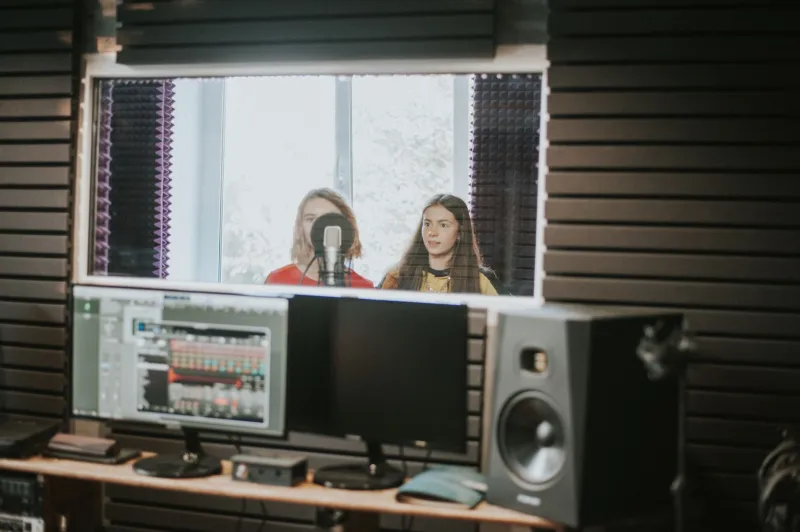
The image most people carry of a radio studio involves a lot of glass, a lot of chrome, and a receptionist who definitely isn't going to let you in without a badge. That's the corporate version. The community radio version looks more like a repurposed walk-in closet lined with old moving blankets, a USB mixer balanced on a folding table, and a host who's also the engineer, the programmer, and the person who remembered to bring the power strip.
And it sounds incredible.
Across the country, independent operators are building broadcast-quality setups on budgets that would barely cover a month of coffee at a commercial station. The results are scrappy, creative, and increasingly hard to distinguish from the polished stuff — if you know what you're doing. We went behind the mic to find out how they're pulling it off.
The Closet That Became a Control Room
In a two-bedroom apartment in East Nashville, Tennessee, Marcus runs a weekly Americana and conversation show out of what used to be a linen closet. He removed the shelving, staple-gunned acoustic foam panels to the walls and ceiling, and built a small L-shaped desk out of plywood and pipe fittings he sourced from a hardware store. Total construction cost: around $180.
His gear list is tight and deliberate:
- Shure SM7B microphone — the workhorse of the podcasting and indie radio world, trusted for its warmth and noise rejection
- Focusrite Scarlett 2i2 audio interface — compact, clean, and widely regarded as the best entry-level interface on the market
- Audacity (free, open-source) for recording and light editing
- A pair of Sony MDR-7506 headphones, which have been the industry standard for decades
- A Cloudlifter CL-1 to boost the SM7B's signal without adding noise
Total gear investment: roughly $550, spread across eighteen months of gradual upgrades.
"I didn't buy everything at once," Marcus explains. "I started with a $60 mic and a free interface driver and worked my way up. The show improved with every upgrade, but honestly the biggest difference was learning how to use what I had."
Soundproofing Without Going Broke
Acoustic treatment is where a lot of new broadcasters get intimidated. Professional foam panels from specialty retailers can run hundreds of dollars. But the DIY community has figured out several effective workarounds.
Moving blankets — the thick ones sold at hardware stores for around $20–$30 each — absorb a surprising amount of mid and high-frequency sound. Hung on walls or draped over doors, they can dramatically reduce echo and room noise.
Bookshelves full of books are one of the best natural diffusers around. The irregular surfaces scatter sound waves and prevent the flutter echo that makes home recordings sound hollow.
Recording inside a closet with clothes still on the hanging rod works remarkably well — the fabric absorbs reflections and the small space reduces room tone.
In Tucson, Arizona, a three-person collective called Desert Signal runs a bilingual community broadcast out of a converted garage. They lined the walls with a combination of recycled carpet remnants (free from a flooring store that was tossing them) and commercial foam panels they bought secondhand from a defunct podcast studio. The result is a broadcast environment that their listeners consistently describe as sounding "professional" — a word the crew finds both flattering and funny.
"Professional just means it doesn't sound like you're in a bathroom," says Lena, one of the collective's founding members. "We figured out how to not sound like we're in a bathroom. That's the whole secret."
The Software Stack That Keeps It Running
Beyond acoustics and microphones, the software layer is where modern DIY stations have the biggest advantage over operators from even ten years ago. The tools available now — many of them free or very low cost — would have cost tens of thousands of dollars in a commercial setting.
BUTT (Broadcast Using This Tool) is a free, lightweight streaming client that connects to services like Icecast or Shoutcast. It's not pretty, but it works reliably and runs on nearly any machine.
Mixxx is an open-source DJ and automation platform that handles live mixing, scheduled playlists, and crossfading. Community stations use it to run fully automated overnight programming without anyone in the room.
Icecast provides the actual streaming server infrastructure. Self-hosted or rented through services like Centova Cast, it's the backbone of most independent internet radio operations.
Auphonic (freemium) handles post-processing — normalizing levels, reducing background noise, and generally making recordings sound more consistent. Many operators run their archived shows through it before publishing.
For live phone calls, most indie stations have settled on Cleanfeed — a browser-based audio calling tool built specifically for radio that delivers surprisingly clean results over a standard internet connection.
The Transmitter Question
For stations that want to actually broadcast over FM — not just stream online — the licensing and equipment conversation gets more complicated. But it's not impossible.
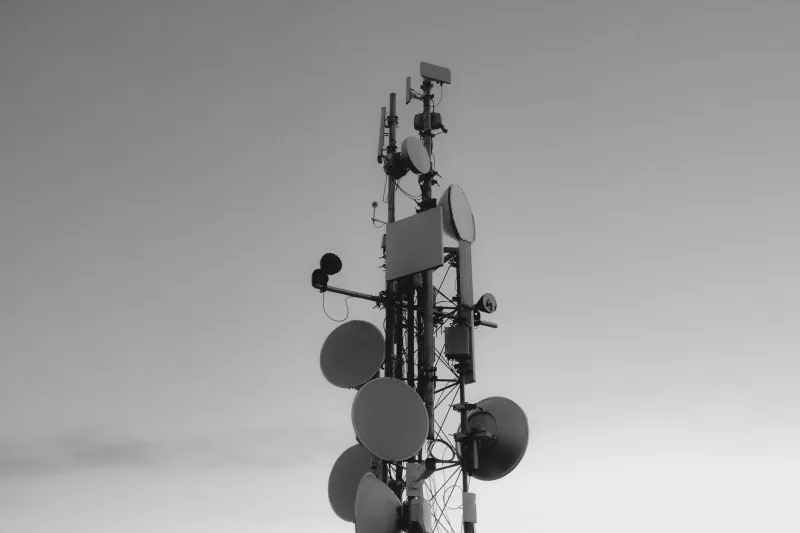
The FCC's LPFM (Low Power FM) licensing program was specifically designed to give community organizations access to the FM dial. A licensed LPFM station can broadcast at up to 100 watts, covering a radius of several miles. The application process is detailed but navigable, and there are nonprofit organizations that specialize in helping community groups through it.
Actual transmitter hardware for an LPFM operation — antenna, coax cable, and transmitter unit — can be sourced for $3,000 to $8,000 depending on power output and tower situation. That's real money for a grassroots operation, but it's the kind of thing that a community fundraising campaign or a small local business sponsorship can realistically cover.
The Philosophy Behind the Setup
What unites all of these operators — the closet broadcaster in Nashville, the garage collective in Tucson, the basement operation in Detroit — isn't gear. It's the conviction that the barrier to entry is lower than the industry wants you to believe, and that a voice worth hearing doesn't need a corporate address to reach people.
At Da Barra Radio, we've always believed that the setup matters less than the sincerity behind it. Listeners can hear the difference between someone who built something real and someone who bought something expensive. The foam on the wall and the wire under the desk are just the physical form that commitment takes.
If you've been thinking about starting something, this is your sign. The box doesn't have to be pretty. It just has to broadcast.