Pick Up the Phone: How Call-In Radio Is Quietly Healing the Loneliness Epidemic One Conversation at a Time
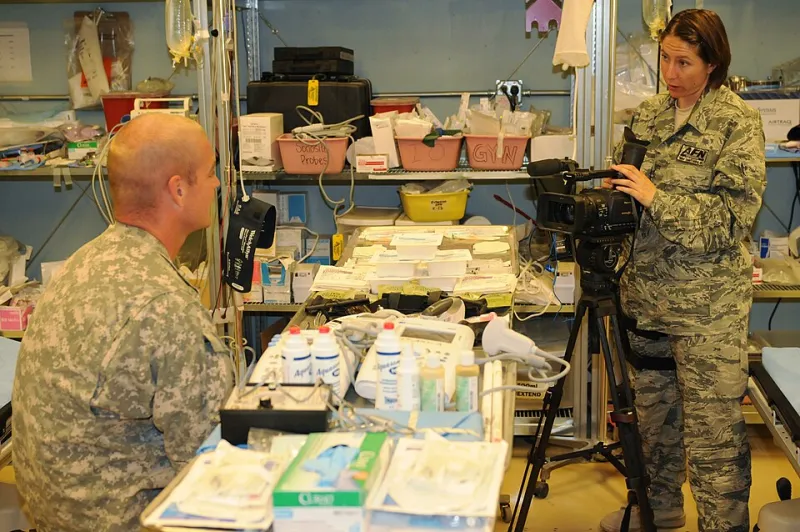
Photo: 1st Lt. Mark Lazane, Public domain, via Wikimedia Commons
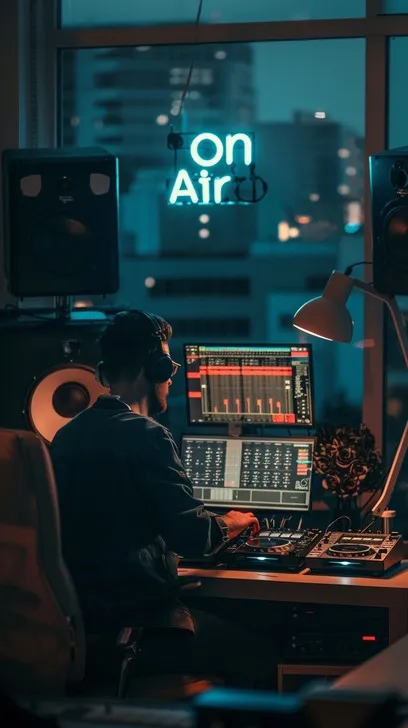
Somewhere in the middle of a Tuesday night, a woman in rural Ohio picked up her landline and dialed a number she'd been staring at for twenty minutes. She wasn't calling a crisis hotline. She wasn't calling a friend — she didn't feel like she had many of those anymore. She was calling into a community radio show, and the host who answered changed her week. Maybe her month.
That kind of moment doesn't happen on Spotify. It doesn't happen in a comment section. It barely happens on social media, where connection is measured in reactions and reach. It happens on radio, specifically on the kind of grassroots, listener-supported stations that still believe the audience is part of the broadcast — not just a number on an analytics dashboard.
The call-in show is one of radio's oldest traditions, and corporate broadcasters have largely walked away from it. Too unpredictable. Too slow. Too human. But for independent stations, that humanity is exactly the point.
Why People Open Up to a Radio Voice
There's a psychology here that's worth understanding. When someone calls into a radio show, they're doing something that feels both private and public at the same time. They're talking to one person — the host — but they know other people are listening. That combination creates a strange kind of permission to be honest.
Dr. Sherry Turkle, the MIT researcher who has spent decades studying how technology shapes human connection, has written about how people often feel safer expressing vulnerability through a mediated channel than they do face-to-face. Radio takes that principle and adds something social media never can: real-time, unscripted human response. The host listens. The host responds. Nobody's editing anything. Nobody's optimizing for engagement.
For a lot of callers, especially older Americans and people in rural or underserved communities, that live exchange is genuinely rare in their daily lives. A retired teacher in Mississippi might go three days without a real conversation. A night-shift worker in Detroit might feel invisible to the rest of the city. Then they call in, someone says their name on air, and suddenly they exist in the world in a way that matters.
What Hosts Actually Witness
Talk to any long-running community radio host and they'll have stories. Not sensational ones — quiet ones. The regular caller who started phoning in every Friday and eventually mentioned, almost in passing, that those calls were the highlight of her week. The guy who called in to complain about a song choice and ended up talking for twenty minutes about his late father, who used to love that artist.
Hosts at independent stations tend to stay on the air long enough to build those relationships. Unlike corporate radio, where formats are rigid and talent gets shuffled around markets, community radio hosts often become fixtures. They know the regulars. They remember birthdays. They ask follow-up questions the next time someone calls.
That continuity matters more than it might seem. It turns a broadcast into something closer to a neighborhood gathering — the kind of place where you know you can show up and someone will recognize you.
The Loneliness Number Nobody Talks About
The U.S. Surgeon General released an advisory in 2023 calling loneliness a public health epidemic. About half of American adults report measurable levels of loneliness. The numbers are worse among seniors, young adults, and people in economically distressed communities — which happen to be the same communities that independent radio often serves most directly.
Meanwhile, the platforms that were supposed to connect us have mostly made things worse. Social media encourages performance over vulnerability. Algorithms reward outrage over intimacy. You can have 800 followers and still feel like nobody's really listening.
Call-in radio doesn't fix any of that structurally. But it does something that nothing else quite replicates: it creates a shared space where listening is the whole point. The host's job is to hear you. The audience's job is to bear witness. And in that dynamic, something real can happen.
Independent Stations Are Bringing It Back
While commercial radio has cut live programming to save money, community stations are doubling down on the call-in format — and getting creative with it. Some have launched dedicated listener line shows that run late at night, specifically designed for people who are awake and lonely and need somewhere to put their thoughts. Others have built call-in segments into music shows, turning song requests into mini-conversations about why that particular track matters to someone.
A few stations have even started themed call-in nights — grief support hours, first-generation immigrant stories, veteran check-ins — where the format gives callers a specific entry point but lets the conversation go wherever it needs to go. These aren't therapy sessions. The hosts are clear about that. But they're also not nothing. They're community, which is sometimes the thing people need most.
The technology has gotten easier too. Stations that used to need expensive call-screening equipment can now take calls through free or low-cost apps, text-in lines, and even social media voice features. The barrier to running a genuine call-in segment has never been lower, which means the only thing stopping a station from doing it is the willingness to slow down and actually listen.
The Signal Worth Protecting
Here at Da Barra Radio, we believe the frequency belongs to the community. That's not just a tagline — it's a model for how broadcasting should actually work. When listeners call in, they're not consuming content. They're contributing to it. They're co-authoring the station's story in real time.
That's the thing corporate radio forgot when it automated everything. Radio was never just about delivering music or information. It was about creating a space where people could feel like they belonged to something larger than themselves.
So if you've been thinking about calling in — to us, to your local community station, to any show that still picks up the phone — do it. You might be surprised what happens when someone actually listens.