City Hall on the Air: Why the Dullest Meeting of the Month Deserves a Broadcast
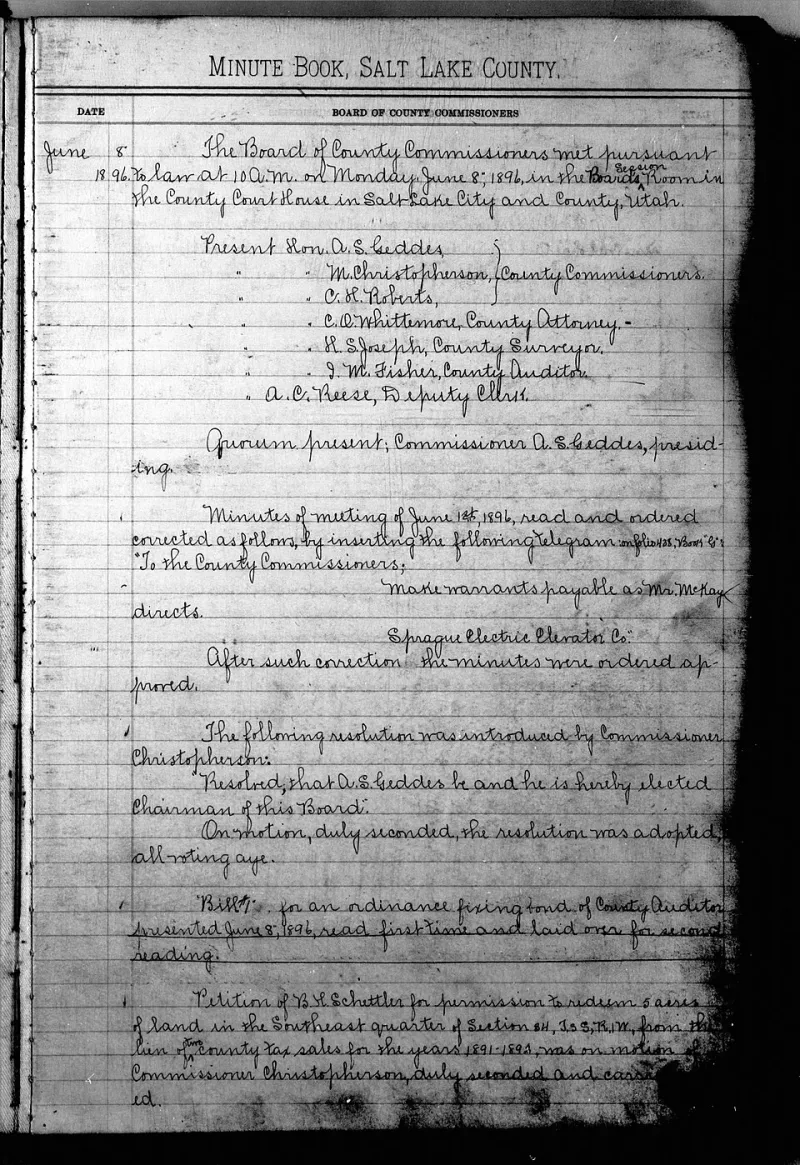
Photo: Salt Lake County Board of County Commissioners, Public domain, via Wikimedia Commons
Here is a radio idea that will make some programmers groan: carry the county commission meeting. Not the highlights. Not the five-minute recap. The whole thing, including the public comment period and the argument over a culvert easement.
It sounds like terrible radio. It is also exactly the kind of radio a community station should be doing in 2026. Local government is where the decisions that actually shape daily life get made: school boundaries, zoning changes, library budgets, road repairs, police contracts, water rates. Most people never see those votes happen. They see the aftermath — a closed road, a new apartment complex, a school program that quietly disappeared — and wonder who decided that.
Community radio has a chance to answer that question. Not by turning into C-SPAN with a smaller budget, but by treating local meetings as essential programming rather than dead air.
The case for boring radio
A community station's brand is not slickness. It is presence. When a station airs a school board meeting, it tells listeners that the station is not just a music service with a transmitter. It is a civic institution. That matters for listener-supported radio, because people give money to institutions they believe in, not just to playlists they enjoy.
Airing public meetings also builds trust in a way that commentary cannot. A host can tell you what they think about a zoning fight. A live broadcast lets you hear the developer, the neighbor, the planning director, and the commissioner in their own words. You can decide for yourself.
And there is a practical benefit: meetings are free content. A station does not need a big newsroom to carry a meeting. It needs a board, a microphone, and someone willing to learn how the agenda works.
The playbook: make it listenable without sanitizing it
The first rule is: do not pretend the meeting is something it is not. Do not edit out the awkward pauses or the angry public comment. But do give listeners a way in. A short live introduction before the gavel drops can explain what is on the agenda and why it matters. Two minutes of context can save a listener from tuning out during a forty-minute budget presentation.
Use a co-host or a rotating civic explainer. One person runs the board. Another person watches the agenda and tweets or posts timestamps. When a vote is coming, the co-host can say, in plain language, what the vote would do. That is not editorializing. It is translation.
Clip the meeting for later. Not everyone can listen live at 7 p.m. on a Tuesday. Put the audio online, mark the key moments, and share short clips on social media. A ninety-second clip of a resident explaining why the sidewalk matters can travel farther than a three-hour broadcast.
Invite the audience in. Keep a text line or a call-in line open for questions during the meeting. The station does not have to answer every question on air, but it can collect them and follow up in a later show. That turns a broadcast into a conversation.
Do not sanitize the public comment. People say uncomfortable things at public meetings. That is part of the record. A station can set clear ground rules for language and personal attacks, but it should not curate public comment into a polite highlight reel. The point is to let the community hear itself.
The risk is real, but the cost of silence is higher
There are real reasons stations avoid meeting coverage. It takes time. It can be boring. It can invite complaints from people who do not like what was said. A station that airs a zoning fight may lose an underwriter. A station that skips the fight may lose something harder to replace: the trust of listeners who need to know what is happening in their own town.
Da Barra Radio's mission is built on the idea that a community should hear itself. That does not mean only the fun parts. It means the budget hearings and the permit appeals and the tedious roll calls. The meeting will now be broadcast. That is not a ratings strategy. It is a civic one.