Generator Hum and a Backup Plan: How Independent Radio Stays Loud When Everything Else Cuts Out
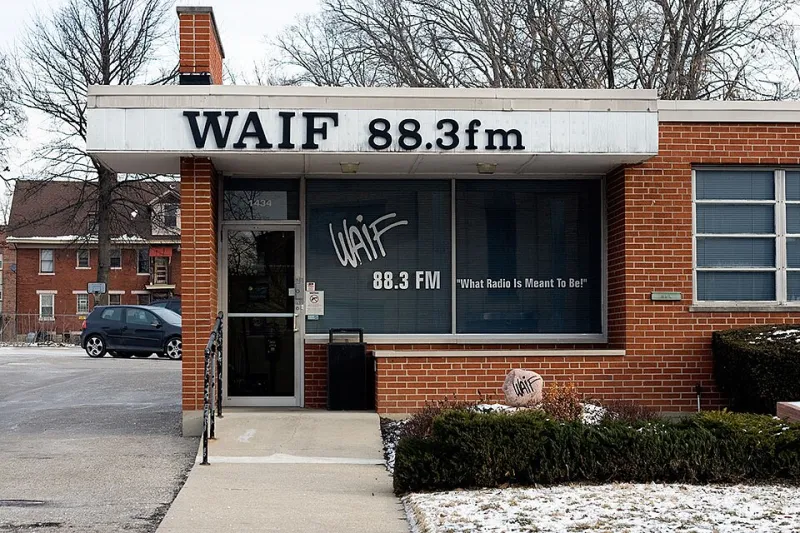
Photo: Room237, CC0, via Wikimedia Commons
When the lights flicker at a volunteer-run station, the first sound is not panic. It is somebody yelling from the transmitter room asking whether the generator caught. That is the unglamorous heart of community radio emergency prep: a bunch of people who know where the fuel shutoff is, how to patch a coax cable, and which binder holds the phone tree. In 2026, as wildfires, hurricanes, ice storms, and grid failures keep reminding towns how fragile the basics are, independent stations are treating backup power like a form of public service.
The First Thing to Go Is Usually the Cell Signal
Most emergency plans start with a fantasy about staying online. Then reality shows up. When the power goes down, the home router dies. When the power stays down, the cell tower battery drains. When the roads flood, the fiber crew cannot get in. In a lot of disasters, the internet is not a reliable public utility. It is a convenience that disappears right when people need it most.
Radio has a stubborn advantage: it is one-to-many, and it works with batteries. A listener with a hand-cranked emergency radio, a car stereo, or a set of AA batteries can still hear a human voice from town. That is why volunteer engineers describe their backup systems less like tech and more like a civic obligation. The station may not be able to stream, update a website, or post a map. It can still say which road is closed and where the shelter is open.
Generators, Cables, and the Drill Nobody Skips
At stations that take this seriously, preparedness is a calendar item. Generators get run under load, not just started for ten seconds and pronounced healthy. Fuel gets rotated. Extension cords get labeled. Someone checks the battery bank and someone else checks the backup transmitter. The goal is not a perfect plan. The goal is a plan that survives contact with a bad night.
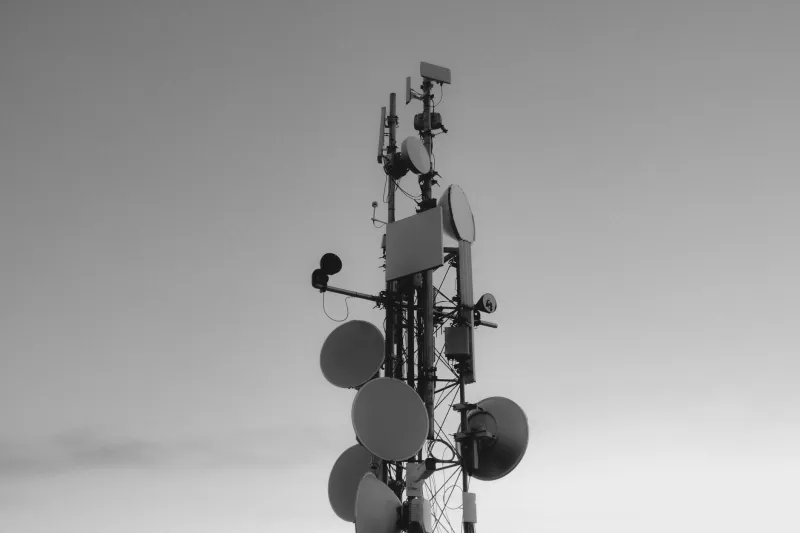
One volunteer engineer put it plainly: the station does not need a bunker. It needs a checklist and a person who will actually do the checklist. That means testing the transfer switch before the storm, keeping a paper log of what worked, and writing down the weird workarounds while they are still fresh. A lot of community stations also keep a low-power backup transmitter or a folded dipole antenna ready for the moment the main tower site is unreachable. It may not cover the whole county. It covers the neighborhood. That is often enough.
Low-Tech Is Not Low-Value
Some of the best emergency tools are almost embarrassingly simple. A whiteboard. A clipboard. A printed list of numbers. A handheld radio for the volunteer parked at the shelter. A runner who can drive a flash drive across town if the station needs to air a recording. None of that looks impressive in a grant application, but it keeps information moving when the cloud is down and the roads are messy.
Community stations also lean on relationships that predate the emergency. The fire chief knows the morning host. The church secretary knows the station manager. The hardware store owner knows who has a generator and who has a spare fuel can. When the grid fails, those relationships become a informal relay system. The station becomes the place where official information, neighbor knowledge, and practical gossip get sorted into something a tired person can use.
What Listeners Actually Need to Hear
Emergency broadcasting is not just a firehose of alerts. It is translation. Listeners need to know which shelter is open, which road is underwater, where water is being distributed, and whether the school is closed. They also need to hear a calm voice that does not sound like it is reading a press release through clenched teeth.
That is why many volunteer broadcasters practice a simple rule: slow down, repeat the basics, and tell people when you will be back with more. A station does not have to fill every minute with news. It can play music, read the same shelter address again, and take a caller who says the power is back on three streets over. The frequency becomes a neighborhood backbone, not a cable news channel. In a blackout, that is exactly the point.
The Frequency as a Neighborhood Backbone
The least glamorous work is often the most important. Generator drills, fuel logs, printed phone trees, and backup antennas do not make for flashy radio. They make for radio that is still there when the app is down and the feed is dead. Community stations are not immune to budget problems or burnout. But they understand something that corporate broadcasters sometimes forget: a local signal is only as strong as the people who keep it alive when the easy systems fail. When the grid goes down, the frequency holds. That is not magic. It is maintenance.