Funding Without Selling Your Soul: The Money Moves Keeping Independent Radio Free From Corporate Strings
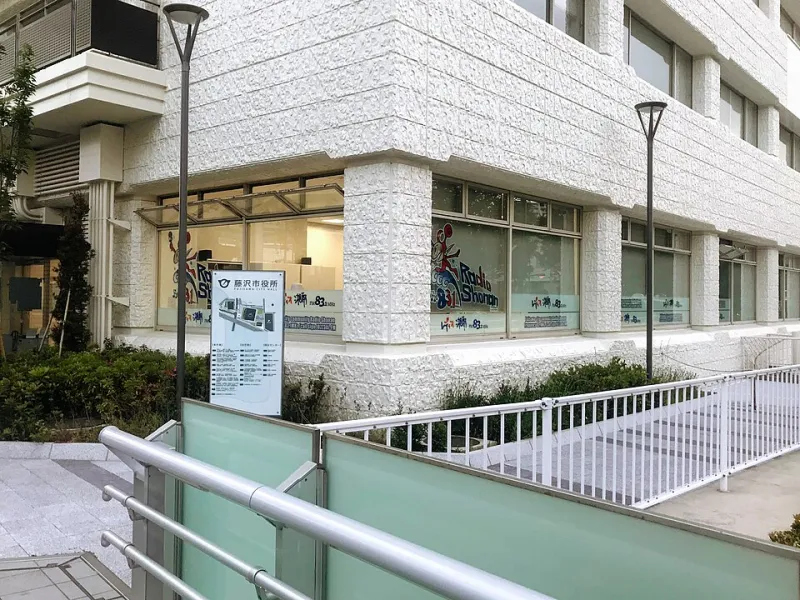
Photo: Yoh-Plus, CC BY 4.0, via Wikimedia Commons
Let's be honest about something the radio industry doesn't love to talk about: money changes what gets said on air. Not always dramatically. Not always obviously. But when your station's biggest check comes from a car dealership or a regional bank, there's a gravitational pull — subtle, persistent — toward not rocking certain boats.
For community and independent stations, that pull is the enemy. The whole reason these stations exist is to say things commercial radio won't say, play music the algorithm would never surface, and give a microphone to voices that don't have PR teams. The moment you let sponsorship money start steering the ship, you've lost the thing that made you worth listening to in the first place.
The good news? A lot of stations have figured out how to keep the lights on without handing over editorial control. And the strategies they're using are worth paying attention to.
Why the Old Sponsorship Model Is a Trap
Traditional radio advertising works like this: businesses pay for airtime, stations run their spots, and everyone pretends the arrangement doesn't affect anything else. In practice, it rarely works out that cleanly. Advertisers complain about content they don't like. Sales teams start flagging segments that might offend sponsors before they even air. Hosts get quiet notes about keeping things "positive."
This isn't conspiracy thinking — it's just how financial dependency works. And for community stations operating on thin margins, the pressure is even more acute. When one sponsor represents 30% of your operating budget, you don't need anyone to tell you to be careful. You already know.
The term "payola" traditionally referred to the illegal practice of labels paying DJs to play their records without disclosure. The modern version is subtler but arguably more pervasive: it's the slow erosion of editorial independence that happens when a station becomes too financially entangled with outside interests. Call it structural payola. The outcome is the same — what goes on air starts serving someone other than the audience.
Listener Memberships: The Model That Actually Aligns Incentives
The cleanest alternative, and the one most community stations are gravitating toward, is the listener membership model. Instead of selling access to advertisers, you ask your audience to directly fund the station they love. It sounds simple because it is, but the implications run deep.
When your revenue comes from listeners, your incentives align with listeners. You're not trying to reach a demographic that a sponsor cares about — you're trying to serve the actual humans who tune in every day. That shift changes everything from programming decisions to how hosts talk on air.
Public radio has used pledge drives for decades, but community stations are refining the model in ways that feel less like a telethon and more like a community investment. Monthly memberships in the $5-$15 range, tiered supporter levels with tangible perks, annual giving campaigns tied to specific programming goals — these approaches build a stable revenue base while making listeners feel like genuine stakeholders.
The key is transparency. Stations that publish their budgets, explain exactly where membership money goes, and involve listeners in programming decisions tend to retain members at much higher rates. People will pay to support something they feel ownership over. They won't pay for something that feels like a charity ask.
Local Business Partnerships — Done Differently
Not all sponsorship is created equal, and community stations have gotten smarter about the distinction between corporate advertising and genuine local partnership.
The difference comes down to relationship and accountability. When a national chain buys a spot on your station, they're buying reach. When a local bookstore, independent restaurant, or neighborhood service business partners with your station, they're buying community alignment — and that's a two-way street.
Some stations have moved away from traditional ad spots entirely, replacing them with what they call "community supporter" acknowledgments. The business gets a brief, scripted mention — no hard sell, no jingle, just a genuine shout-out. In exchange, the station maintains clear editorial separation and the right to cover any story involving that business without restriction. It's a smaller ask from the business, but it also creates far less leverage for them to exert.
Other stations have built event-based partnerships, where local businesses sponsor live broadcasts, community events, or special programming series. The business gets visibility and goodwill. The station gets funding that's tied to a specific deliverable rather than ongoing editorial influence.
Creative Revenue That Most Stations Overlook
Beyond memberships and partnerships, there's a whole landscape of revenue opportunities that independent stations are starting to explore.
Merchandise is an obvious one, but it works better than people expect when the station has genuine community identity. A hoodie with your station's logo isn't just a revenue stream — it's a walking advertisement and a symbol of belonging for the listener wearing it.
Live events are bigger. Community stations that host concerts, panels, open mics, or listening parties create revenue while deepening their connection to the audience. The event becomes an extension of the broadcast, and people will pay to be part of that in person in ways they won't pay for passive listening alone.
Grant funding, particularly from arts councils, community foundations, and local government cultural programs, is underutilized by most independent stations. The application process is real work, but for stations with a clear community mission — which describes most of the people reading this — the alignment with grant criteria is often strong.
Podcast spinoffs, archival content subscriptions, and even radio education workshops for aspiring broadcasters have all become supplemental income streams for forward-thinking stations. The point is that the broadcast itself is the core, but the community built around it can support a much broader ecosystem.
Accountability Is the Product
Here's the frame that ties all of this together: for a community radio station, independence isn't just a value. It's the product. It's what listeners are actually paying for when they become members or buy a t-shirt or show up to your live event.
The moment a station loses that independence — even partially, even quietly — it loses the thing that made it worth supporting. So every funding decision is also an editorial decision. Every sponsor relationship is a statement about what the station is willing to trade.
The stations that are getting this right are the ones that treat financial sustainability and editorial integrity as the same problem, not two separate ones. They build funding models that make independence structurally easier to maintain, not just aspirationally important.
That's the frequency worth protecting. And it turns out, when you build it right, your community will help you pay for it.