On Air, Out Loud: How Community Radio Is Teaching Kids to Own Their Voice One Broadcast at a Time

Photo by Photo by Jacob Hodgson on Unsplash on Unsplash
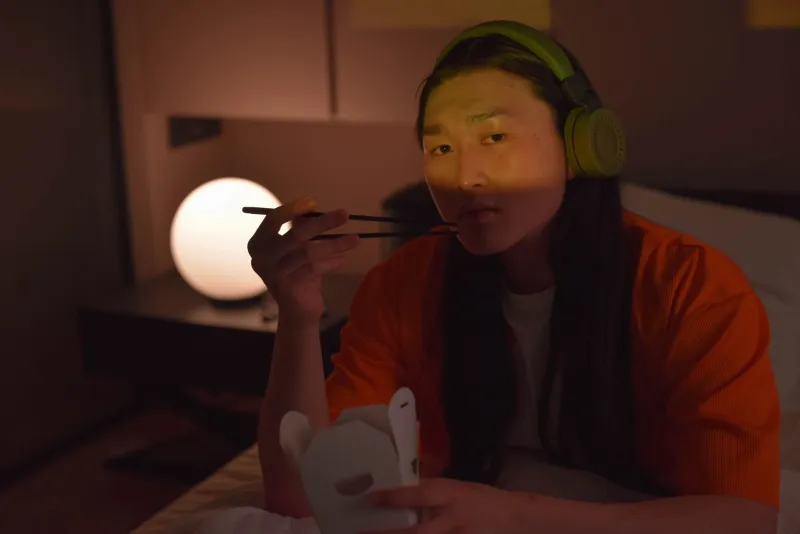
There's a moment that Darnell Cooper, station manager at a small community broadcaster out of Columbus, Ohio, describes as the one that changed how he thought about radio entirely. A twelve-year-old named Marcus — shy, perpetually in the back row, the kind of kid teachers sometimes forget to call on — shuffled into the studio one afternoon clutching a handwritten short story about his grandmother's garden. He sat down at the mic, adjusted the headphones, and read every single word without stopping once.
"He didn't stutter, he didn't rush, he didn't look up to check if anyone was laughing," Cooper said. "He was just in it. And when he finished, there was this silence in the room before we clapped, and I think that silence meant more to him than anything."
That afternoon didn't make national news. No algorithm pushed it to the top of anyone's feed. But for Marcus, and for the dozen or so kids who cycle through Cooper's youth broadcasting program each semester, something real shifted. The microphone had done what a lot of classroom exercises couldn't: it made reading feel like it mattered to someone right now.
The Unexpected Classroom Behind the Soundboard
Community radio stations have always been scrappy, resourceful places. They stretch budgets, lean on volunteers, and find creative ways to fill airtime. But in recent years, a growing number of independent stations have started tapping into something that neither the education sector nor the media industry seemed to be paying close attention to — the power of live, on-air reading as a developmental tool.
Programs vary widely depending on the station. Some are formal partnerships with public schools or after-school organizations. Others are looser, drop-in setups where kids can come in on weekends and read whatever they brought from home — a poem they wrote, a chapter from a library book, a personal essay about their neighborhood. The common thread is the mic, and the knowledge that someone, somewhere, is actually listening.
For ESL learners especially, that dynamic can be transformational. Maria Delgado, a bilingual educator in San Antonio who has collaborated with a local low-power FM station, has watched students who freeze up during classroom read-alouds come alive in the studio environment. "There's something about the headphones and the soundproofing," she said. "It removes the feeling of being watched and replaces it with the feeling of being heard. That's a completely different emotional experience."
She's seen students who rarely speak above a whisper in class arrive at the station and deliver full paragraphs in clear, measured English — sometimes switching fluidly between English and Spanish in ways that feel natural rather than corrected. "We're not grading them," Delgado added. "And I think that's the whole point."
Neurodivergent Kids and the Mic That Doesn't Judge
For neurodivergent young people — kids with dyslexia, ADHD, autism spectrum experiences, or processing differences — traditional read-aloud settings can be genuinely painful. Being called on in class carries the weight of potential embarrassment in front of peers. Timed reading assessments reduce language to a performance metric. The whole structure can make reading feel like a test rather than a form of expression.
Radio sidesteps a lot of that baggage. At a community station in Portland, Oregon, a volunteer coordinator named Yvette Marsh runs a monthly youth slot she calls "Open Frequency," where kids between the ages of eight and seventeen can come in and read anything they want, for however long they want, with no interruptions. She started it almost by accident — a parent asked if her autistic son could come in and read his favorite book into the mic "just to see how it felt." He came back three weeks in a row.
"For a lot of these kids, the ritual of it helps," Marsh said. "You come in, you put on the headphones, you see the levels on the board, you know there's a process. That structure is actually really calming. And then when they start reading, they're not performing for a room full of faces. They're talking to the air, and somehow that's easier."
Speech-language pathologists who have observed similar programs note that the auditory feedback loop — hearing your own voice through headphones while you read — can actually support fluency development in ways that silent reading or even traditional read-alouds don't fully replicate. You catch your own pacing. You hear where your breath is running short. You self-correct naturally, without a teacher pointing it out.
When the Community Tunes In
What makes the radio context genuinely different from, say, recording yourself on a phone and playing it back, is the community dimension. These kids aren't reading into a void. They're reading to their neighbors.
Several stations have started building audience rituals around their youth programming. One station in Detroit runs a Sunday morning slot called "Young Voices," and local listeners have started calling in after the readings to leave short messages of encouragement — not critiques, not corrections, just "I really liked that part about the snow" or "That made me think about my own dad." The station plays a selection of those messages at the end of each episode.
"The kids started asking to hear the call-ins before they even left the building," said the show's host, a retired English teacher named Gloria Tran. "That feedback loop — writing something, saying it out loud, and then having a stranger tell you it moved them — that's a complete literacy cycle. That's the whole thing."
Parents have noticed the ripple effects at home, too. Kids who previously avoided reading aloud at the dinner table are volunteering to read menus, road signs, birthday cards. The confidence built in the studio doesn't stay in the studio.
What Schools Could Learn From the Booth
None of this is to say that community radio should replace formal literacy instruction. Teachers work within real constraints — large classrooms, standardized curricula, assessment requirements — that make individualized, low-stakes reading experiences difficult to build in. But educators who've seen these programs in action tend to come away with something to think about.
"The radio strips away the hierarchy," said Delgado. "In my classroom, I'm the authority. In the studio, the kid with the mic is the authority. That's a shift that matters."
For community stations thinking about expanding their mission, youth literacy programming is one of the more compelling directions available — low cost, high impact, and deeply aligned with the grassroots spirit that defines independent radio in the first place. You don't need a grant or a curriculum specialist to hand a kid a poem and say, "The mic is yours. Go."
Marcus, the kid from Columbus with the story about his grandmother's garden, is now fifteen. He's been back to Cooper's station a handful of times since that first afternoon. Last spring, he read an original piece about moving between neighborhoods on air — a piece that, by Cooper's account, had at least two adult volunteers quietly wiping their eyes in the booth.
He's still shy in most rooms. But behind a microphone, he knows exactly what he's doing.
Da Barra Radio believes every voice deserves a frequency. If your station runs a youth reading program, we'd love to hear about it — reach out and share your story with our community.