Tuned In Together: How Community Radio Became an Unlikely Matchmaker

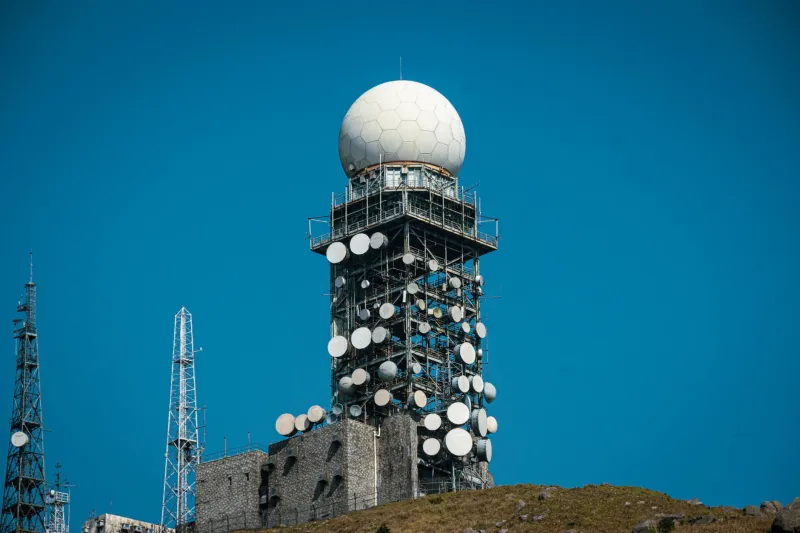
Photo by Photo by Niklas Bahe on Unsplash on Unsplash
Before Tinder, before Hinge, before some faceless algorithm decided who you were compatible with based on your gym selfies and favorite Netflix shows, there was the radio. And for a quietly remarkable number of couples across the country, that's exactly where the story started.
Not on a screen. Not in a DM. On the airwaves.
Community radio stations have always been about connection — between a neighborhood and its voice, between a DJ and a loyal listener, between the music and the moment. But ask around long enough and you'll start hearing something else entirely: love stories. Real ones. The kind that don't fit neatly into a profile or a swipe.
The Song That Started It All
Take Marcus and Delia from Albuquerque, New Mexico. They'd both been regular listeners of a local independent station for years without ever crossing paths. Then one Thursday evening, Marcus called in to request a song — a deep cut from an artist he figured maybe five people in the city even knew. The host put it on. And Delia, driving home from a late shift, pulled over just to sit with it.
She called the station back. The host, being the kind of community-minded broadcaster who actually pays attention, mentioned on-air that someone else had just called about the same track. It was a throwaway comment. But Delia came to the next live event the station hosted at a local record shop. Marcus was there. They've been together seven years.
"There's something about knowing someone loves that specific song," Delia says. "It told me more about who he was than any app profile ever could."
That's not an accident. It's the nature of radio.
What the Algorithm Can't Replicate
Dating apps are built on data. They surface people based on proximity, mutual interests, and a whole lot of behavioral tracking you probably never consented to. And sure, they work — millions of couples have met that way. But the experience is transactional by design. You're shopping. You're being shopped.
Radio doesn't work like that. When you tune into a community station at midnight and the host reads a dedication from a listener in your zip code, you're not a data point. You're part of something alive and unscripted. The shared experience of listening — really listening — to the same broadcast at the same time creates a kind of invisible thread between strangers that no app has ever figured out how to manufacture.
Psychologists have a term for it: parasocial intimacy. The feeling of genuine closeness that develops between a listener and a broadcaster, or between listeners who share the same broadcast world. Community radio, with its local voices and hyper-specific cultural references, amplifies that effect in ways national stations or streaming platforms simply can't touch.
Live Broadcasts and the Magic of Showing Up
For couples who met at community radio events — the live remotes, the fundraiser concerts, the station anniversary parties — there's a recurring theme in how they describe it. Everyone who shows up to a community radio event is already a little self-selected. They care about something local. They're not there because a ticket algorithm suggested it. They chose it.
Jamila and Pete met at a pledge drive event in Asheville, North Carolina. She was volunteering at the phone bank. He came in to drop off a donation in person because, as he put it, "I just wanted to see the place."
"You don't really do that," Jamila laughs. "Nobody hand-delivers a check to a radio station. But he did. And I thought, okay, this person is a little weird in exactly the right way."
They got married two years later. The station played their first dance song over the air during their reception.
Late Nights and Honest Voices
There's something about the late-night radio hours that strips things down. The daytime hosts are energetic, upbeat, working hard to keep the momentum going. But the overnight crew — the ones broadcasting to insomniacs and third-shift workers and people who just can't quiet their minds — they tend to get real in a way that daytime rarely allows.
Listeners feel that. And sometimes, they find each other in it.
Online communities built around local stations — Discord servers, Facebook groups, subreddits — have become their own unexpected social ecosystems. People who bond over a particular overnight host's music taste, or who both texted in the same night to share a memory tied to a song, sometimes end up talking long after the broadcast ends.
It's old-school community building wearing a new-media hat. And it works because the radio gave them something real to talk about first.
Why Radio Romance Hits Different
Here's the thing about falling for someone you connected with through a community station: the foundation isn't a curated photo set or a carefully worded bio. It's taste. It's values. It's the fact that you both care about something local enough to actually tune in, call in, or show up.
That's not nothing. In a dating culture that often feels exhausting and performative, finding someone through a shared love of your neighborhood's independent radio station is almost defiantly analog. It says something about both of you — that you're paying attention to your community, that you're moved by music, that you believe in something beyond the next notification.
Marcus put it simply: "The radio introduced us, but what it really did was tell us we were already the same kind of person before we ever met."
The Station That Keeps Giving
For the couples who've lived these stories, the radio station isn't just a backdrop. It stays woven into the relationship. Anniversary songs requested on-air. Kids who grow up listening to the same station their parents fell in love over. Donations made every pledge drive because, as one listener told us, "That station literally gave me my family."
Community radio has always been about more than music or news or filling the airwaves with something local. It's been about reminding people that they're not alone — that somewhere in the same city, someone else is listening to the same song at the same moment, feeling something similar.
Sometimes that person becomes your person.
And no app gets to take credit for that.