Where the Deep Cuts Live: Community Radio as the Last True Home for Music Obsessives
Spotify will never play you the B-side that changed someone's life. Apple Music doesn't know about the regional funk 45 pressed in Dayton, Ohio in 1974 that only 300 people ever owned. And no algorithm — not a single one — has ever felt genuine excitement about sharing a record with a stranger.
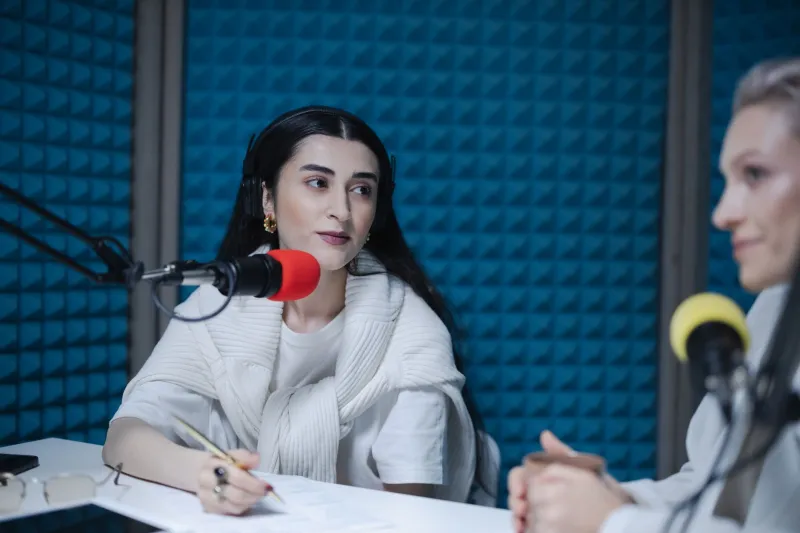
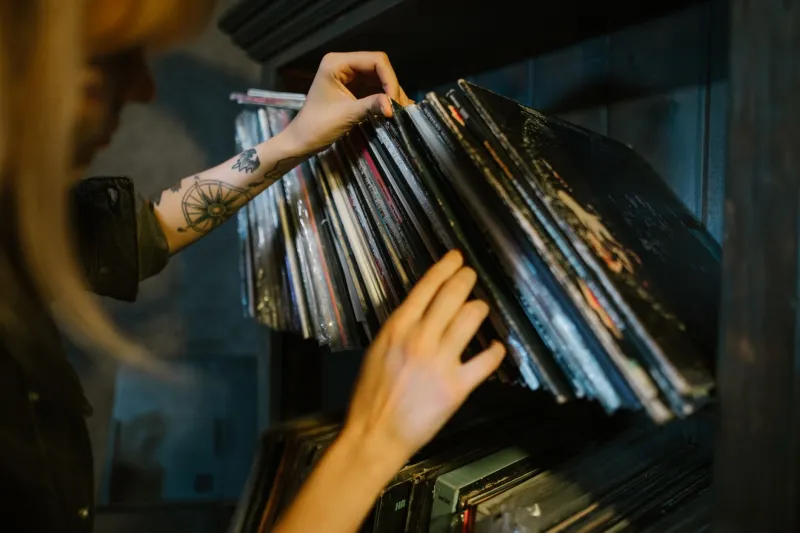
But Marcus Webb has. Every Saturday morning from 8 to 11 AM, Marcus hosts Wax & Wonder on a listener-supported community station out of Portland, Oregon. He's been doing it for eleven years. Before the show, he spends hours flipping through crates at estate sales, thrift shops, and the occasional record fair, hunting for something worth talking about on air.
"The whole point is the conversation," Marcus says. "Not just me talking at people, but the texts and the calls that come in after I drop something unexpected. That's the magic. Somebody out there knows exactly what I just played, and they've been waiting years for someone else to acknowledge it exists."
That kind of exchange — spontaneous, specific, deeply human — is what keeps music obsessives coming back to community radio, even in an era when you can technically access every song ever recorded from a phone in your pocket.
The Algorithm Can't Love Music (But Your Local DJ Can)
Streaming platforms are genuinely impressive pieces of technology. But they're built around retention and engagement metrics, not passion. They'll recommend what keeps you listening the longest, not what might genuinely expand your understanding of American music history.
Community radio operates on a completely different logic. The DJs spinning records at independent stations aren't chasing play counts. They're obsessives — people who got into radio specifically because they needed a bigger stage for their enthusiasm. And that enthusiasm is contagious in a way that a generated playlist simply cannot replicate.
Take Denise Okafor, who hosts a two-hour Afrobeat and highlife program on a college-affiliated community station in Chicago. She started the show because she was frustrated that the music she grew up hearing in her Nigerian-American household was invisible in mainstream media.
"I wanted people to understand that Fela Kuti wasn't just a name you drop to sound cool," she says, laughing. "There's a whole universe in there. There's Ebenezer Obey. There's Onyeka Onwenu. There's music that tells the entire history of a continent and a diaspora, and most Americans have never heard a note of it."
Her show now draws listeners from three states, several of whom drive to Chicago just to attend the occasional live taping events the station hosts. Some have become close friends. One couple met in the comment section of the show's community page and got married last spring.
Vinyl Culture Found Its Broadcast Home
The vinyl revival of the last fifteen years didn't just boost record sales — it created a new generation of collectors hungry for context. Knowing that a record exists is one thing. Understanding why it matters, who made it, what was happening in the world when it was pressed, what it sounds like at the right volume on the right equipment — that's where community radio earns its keep.
Stations across the country have leaned into this, building programming blocks dedicated to specific eras, genres, and formats. There are shows devoted entirely to 78 rpm shellac recordings. Shows that only play vinyl from independent labels. Shows that focus on a single decade, a single city, sometimes even a single producer's entire discography.
Ray Castellano runs a record shop in Albuquerque and hosts a weekly show on a local community station that he describes as "a two-hour crate dig on the radio."
"I'll pull something out that I've had in the shop forever and just couldn't sell, and I'll put it on air and explain what it is," he says. "Half the time, somebody calls before the record is even done playing and says they're coming in to buy it. The radio show basically became the best advertisement I never paid for — but more than that, it's built a community of collectors in this city who didn't know each other existed before."
That's a pattern that repeats itself across the country. Community radio doesn't just broadcast music — it maps the social geography of fandom, connecting people who share obsessions but had no obvious way of finding each other.
The Knowledge Transfer Nobody Else Is Doing
There's something genuinely at risk when musical knowledge doesn't get passed down. Not just the recordings themselves — those can be digitized, archived, preserved — but the context. The stories. The why-this-matters that only a human being who actually lived through a musical era can provide.
Community radio is doing that transfer work quietly and without much fanfare. When a 70-year-old blues enthusiast sits across from a 24-year-old engineering student during a station fundraiser and they end up talking for two hours about Chicago blues versus Mississippi Delta blues, that's an education that no streaming service can offer.
Eleanor Briggs, a retired music teacher in Atlanta, has been volunteering at her local community station for over a decade. She doesn't host her own show — she helps produce a program focused on American roots music. She calls it the most fulfilling thing she's done since retiring.
"These young producers I work with, they're so talented, but they didn't grow up with this music," she says. "So I tell them things. I tell them about seeing Muddy Waters play a small club in 1971. I tell them what it felt like in the room. And they put that on the radio, and suddenly it's not just a Wikipedia entry — it's a living memory that someone else can hold onto."
Your Station, Your Sound
What makes community radio irreplaceable for music obsessives isn't just the programming — it's the ownership. Listeners feel a genuine stake in what gets played. They vote with their pledge dollars during fund drives. They request deep cuts. They argue passionately in station comment sections about whether a particular show deserves its time slot.
That friction, that investment, that sense of collective authorship — it creates something no corporate radio conglomerate and no streaming algorithm has ever managed to manufacture.
For the music nerds, the collectors, the genre historians, and the people who still get genuinely emotional when they hear a song they thought they were the only ones who knew — community radio isn't a nostalgia trip. It's a living, breathing headquarters.
And somewhere right now, a DJ is pulling a record out of a sleeve, setting it on a turntable, and getting ready to tell you exactly why it matters.
That's your frequency. Tune in.