Off-Peak, On Fire: How the Radio Hours Nobody Wanted Became the Ones People Can't Stop Talking About
For years, the logic in commercial radio was simple: dead hours meant dead air, or at best, an automated playlist nobody asked for. Early Sunday mornings, late-night weekday slots, the weird purgatory between 4 and 6 AM — these were the time blocks that program directors handed off to syndicated filler or just let the transmitter coast. Nobody was listening anyway, right?
Well. Turns out, somebody was.
Across the country, community and independent radio stations are quietly flipping that assumption on its head. Those so-called throwaway hours? They're becoming the most talked-about slots on local dials — and the audiences showing up for them are some of the most devoted, passionate listeners in the medium's history.
The Hours Commercial Radio Forgot
To understand why this is happening, you have to understand what commercial radio actually optimized for. Drive time — morning commute, evening rush — that's where the ad dollars live. Everything else was treated like dead weight. Program directors filled off-peak hours with syndicated shows, satellite feeds, or just music automation, because why pay a human to talk to an audience that supposedly wasn't there?
But here's the thing about that logic: it was always built around the average listener. And community radio doesn't serve the average listener. It serves your listener — the one who doesn't fit the demographic spreadsheet, the one who gets up at 5 AM because that's when their shift starts, the one who stays up past midnight because their brain won't quit, the one who tunes in on Sunday afternoon because that's when their culture comes alive.
Community stations noticed that. And they started filling those gaps with something commercial radio never thought to offer: programming built specifically for people who felt invisible on the dial.
Sunday Morning Belongs to Someone
Take Sunday mornings. Commercial stations either run religious programming as a legal obligation or coast on whatever performed well the night before. But at community stations around the country, Sunday morning has become appointment listening for communities that rarely hear themselves reflected anywhere else.
Immigrant communities, in particular, have claimed Sunday mornings with a fierceness that makes sense once you think about it. It's a day off for a lot of working families. It's a time for gathering, for cooking, for calling relatives back home. A show broadcasting in Haitian Creole, Vietnamese, or Amharic during that window isn't just filling time — it's meeting people exactly where they are, in the language they think in, with the music they grew up on.
Volunteer hosts running these shows will tell you the same thing: the loyalty is unlike anything they expected. Listeners don't just tune in — they call in, they show up to events, they bring their kids. The show becomes part of the ritual of the week.
2 AM and Wide Awake
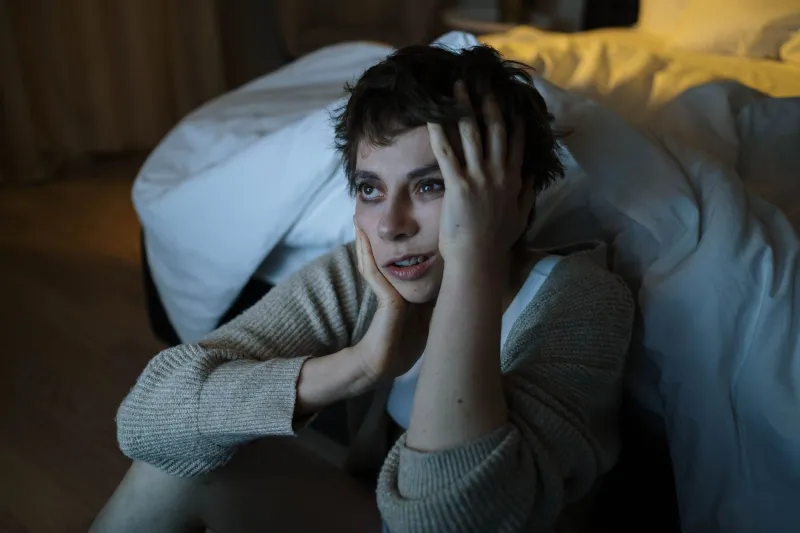
Late nights tell a different story, but an equally powerful one. The people listening at 2 AM on a Tuesday are not a homogenous crowd. They're nurses heading home after a double shift. They're insomniacs who've given up on sleep. They're college students working through something. They're musicians who just got off a gig and don't want the night to end yet.
Some community stations have started leaning into this reality hard. Instead of running a generic overnight playlist, they're scheduling programming that actually speaks to the late-night mindset — slower, more personal, less performance. Hosts who talk to you rather than at you. Deep catalog music shows that go places no algorithm would dare. Call-in segments that attract the kind of raw, unfiltered conversation that only happens when it's dark outside and the filters come down.
One thing veteran overnight hosts will tell you is that the late-night audience is small but incredibly engaged. They're not half-listening while stuck in traffic. They chose to be there. That changes everything about the dynamic.
Niche Isn't a Dirty Word
There's a tendency in media — even in community media — to treat niche programming like a compromise. Like if you're only reaching a few hundred listeners, you're somehow failing. But that framing misses the point entirely.
A show built specifically for LGBTQ+ listeners in a mid-sized city where queer visibility is still a fight? That's not niche in the dismissive sense. That's targeted in the most meaningful way possible. A Saturday morning program for local musicians to share new work and talk shop? That's not small — that's a scene-builder. A spiritual hour on Sunday evenings that doesn't belong to any single denomination but makes space for seekers of all kinds? That's filling a gap that entire media ecosystems have abandoned.
The value of these programs isn't measured in raw numbers. It's measured in what they mean to the people who show up for them. And at community stations, that meaning translates into real support — memberships, donations, volunteers, word-of-mouth that no ad buy can replicate.
The Volunteer Engine Behind It All
None of this happens without the people willing to show up at weird hours and make it work. The volunteer broadcaster who drives to the station at 6 AM on a Sunday because their community counts on that show — that person is the whole story. They're not doing it for a paycheck. They're doing it because they know what it feels like to turn on the radio and hear nothing that sounds like your life.
Community stations that have cracked the code on off-peak programming all say the same thing: it starts with finding those people and getting out of their way. Give them a slot, give them a little training, trust them to know their audience better than any program director ever could. What comes out the other side is almost always something that feels more alive than anything running in prime time.
Real Estate Nobody Wanted
There's something almost poetic about the way this has played out. The hours that commercial radio wrote off as worthless turned out to be prime real estate — not for everyone, but for the communities who needed a home on the dial and were never offered one anywhere else.
Da Barra Radio has always believed that the frequency belongs to the community. Not the advertisers, not the consultants, not the algorithm. And if you listen closely to what's happening in these off-peak hours at stations across the country, you'll hear exactly what that looks like in practice: real voices, real communities, real radio.
The dead hours aren't dead. They were just waiting for the right people to wake them up.