The Reel-to-Reel Town: Why Volunteer Broadcasters Are Recording Their Neighbors Before the Stories Slip Away

Photo: oral history interview recorder elderly person community radio archive, via www.totalmortgage.com
The recorder sits on the kitchen table between a plate of cookies and a cup of coffee that is going cold. The volunteer asks a simple question: what was this street like when you were a kid? For the next hour, the answer wanders through closed storefronts, old neighbors, a flood nobody talks about anymore, and the exact spot where the bus used to stop. This is how a station's oral history project begins. Not with a grant announcement or a fancy studio. With a table, a microphone, and somebody willing to listen.
Across the country, community radio stations are recording local elders, shop owners, farmers, teachers, and lifelong residents before their stories disappear. The interviews are edited into intimate local documentaries, short features, and full-hour specials. Some air once and then sit in a drawer. Others become part of a station's permanent archive. Either way, the work is the same: catch the voice while it is still here.
A Recorder, a Kitchen Table, and a Deadline Nobody Set
Oral history projects rarely start with a formal plan. They start with a station noticing that the people who remember the old downtown are getting older. A volunteer brings in a handheld recorder. Somebody knows somebody who has lived in the same house since the 1950s. The first interview happens. Then another. Pretty soon there is a box of memory cards and a growing list of names.
The best projects keep the setup simple on purpose. A quiet room. A decent microphone. A list of open-ended questions. No rushing. The interviewer is not trying to prove a thesis. They are trying to get out of the way. The result is not a news report. It is closer to a conversation you would overhear at a family reunion, if somebody had the sense to press record.
What Gets Saved and What Gets Cut
The raw interview is often messy. People loop back. They forget names. They cough. They tell a story that starts in one decade and ends in another. The volunteer editor has to decide what to keep, what to cut, and how much context a listener needs. A ten-minute feature might come from two hours of tape. The trick is to preserve the person's rhythm without letting the piece wander off the rails.
Consent matters here. Stations usually ask interviewees what can be aired, what should stay private, and whether the recording can be kept in the archive. Some families want everything saved. Some want only a short clip. Some want to hear the edit before it goes on air. The best projects treat those wishes as part of the record, not as an obstacle. The tape is not just content. It is somebody's life.
The Library Is the Station's Memory
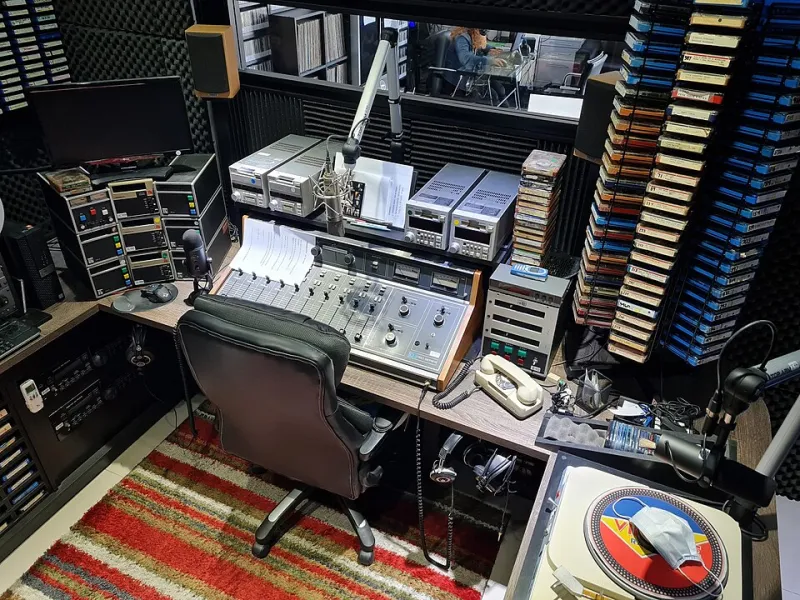
A station's tape library is easy to overlook. It is usually a shelf of hard drives, a few old cassettes, a folder of waivers, and a spreadsheet that only one volunteer understands. But that library may be the most valuable thing the station owns. It holds the voice of the woman who ran the diner for forty years. It holds the retired coach describing the game nobody else remembers. It holds the sound of a main street that has been rebuilt twice.
That is why some stations are getting serious about storage. They are backing up files, writing down names and dates, and asking local historical societies for help. They are also thinking about access. An archive that nobody can hear is just a pile of files. The goal is to air the pieces, share them at community events, and make sure the families involved can get a copy.
Who These Tapes Serve
The first audience is the town itself. People hear a neighbor on the radio and learn something they never knew. The second audience is the future. A local historian can use the recordings to fill in gaps that official documents leave out. A student can hear what a mill closure felt like from the person who worked there. A family can hear a grandmother's laugh long after she is gone.
The station also benefits. Oral history gives volunteers a reason to knock on doors and listen. It builds relationships that make the newsroom stronger and the music shows more grounded. It reminds listeners that the station is not just a signal. It is a memory keeper.
The Next Voice
The work is slow, and that is fine. Community radio was never built for speed. It was built for the long haul, for the town that stays put and the people who remember why it matters. The next interview might be with the barber who has been cutting hair since the 1970s, or the woman who organized the first farmers market, or the kid who knows every shortcut through the back streets. Somebody has to press record.
When the tape is rolling, there is no algorithm deciding what is important. There is only a voice, a question, and the quiet decision to pay attention. That may be the most local history a station can make.