The Hours Nobody Wanted: How Community Radio Found Its Most Loyal Listeners in the Margins of the Clock
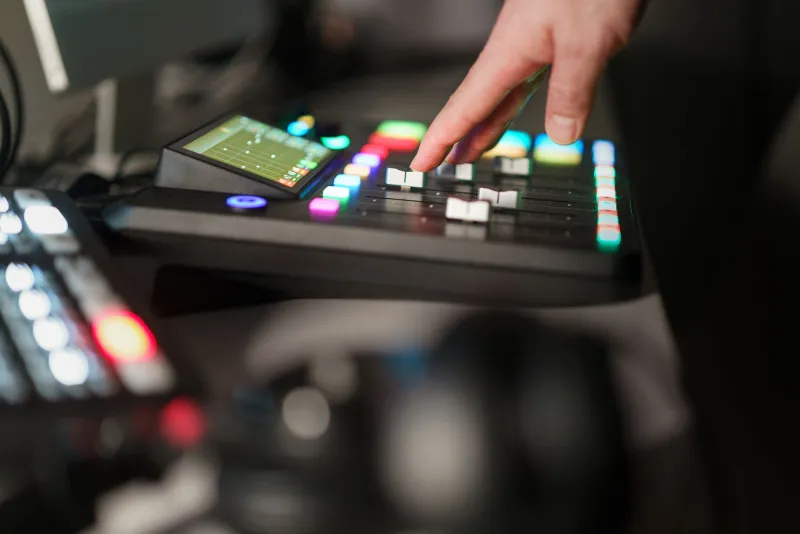
There's a moment that happens somewhere around 4:47 in the morning, when a community radio DJ finishes a song, leans into the mic, and says something completely unscripted. Maybe it's about the fog rolling in outside the studio window. Maybe it's a half-remembered story about their grandmother. Maybe it's just a quiet acknowledgment that yeah, it's early, and if you're up right now, you're probably dealing with something.
No producer is watching. No ratings consultant is listening in. And yet, on the other end of that signal, a handful of people — a night-shift nurse driving home, an insomniac in a third-floor apartment, a trucker somewhere on I-40 — feel something click into place.
That's the secret the commercial radio industry never figured out, or maybe just stopped caring about: the hours nobody fights over are where the real stuff happens.
What Commercial Radio Gave Up (And Didn't Miss)
For commercial stations, the programming day is essentially a pyramid. Morning drive is the crown jewel — the slot with the biggest audiences, the highest ad rates, the most polished talent. Everything else gets measured against it. Afternoon drive is second. Middays are filler. Evenings are automation. Overnight? A syndicated loop and a prayer.
Holiday programming is even more stripped down. Christmas morning, Thanksgiving, the Fourth of July — most commercial stations run pre-recorded content or satellite feeds. There's no incentive to staff a live show when the ad dollars aren't there.
Community stations looked at that abandoned landscape and, largely out of necessity, moved in. They didn't have the budget for round-the-clock star power anyway. What they had were volunteers willing to take the 6 a.m. Sunday slot, or the New Year's Eve overnight, or the Tuesday afternoon show that gets maybe 200 listeners on a good week.
What nobody anticipated was that those slots would become something special.
The Intimacy of a Smaller Room
There's a concept in live performance sometimes called "playing a small room." Comedians talk about it. Jazz musicians swear by it. When the audience is intimate, something shifts. The performer stops performing and starts talking. The distance collapses.
Community radio's off-peak hours work the same way.
A DJ who knows they're reaching 150 people at 5:30 on a Saturday morning isn't trying to capture a mass audience. They're not competing for attention. They're just... there. And the listeners who tune in at that hour aren't scrolling through options. They made a deliberate choice. They showed up.
That mutual intentionality creates a kind of trust that's genuinely hard to manufacture. The DJ knows their audience is small but committed. The listener knows the DJ isn't phoning it in for a crowd — because there is no crowd. What gets said in those hours tends to be more honest, more personal, more willing to sit with something uncomfortable instead of rushing to the next song.
Volunteer DJs at community stations across the country have described the same phenomenon: the show they were most nervous about — the one with the smallest time slot and the thinnest audience — became the one they loved most. Because the people listening were really listening.
Holiday Radio and the Listeners Who Have Nowhere Else to Be
If off-peak weekday hours create intimacy, holiday programming does something even more specific: it reaches the people who need radio the most.
Not everyone has a table full of family on Thanksgiving. Not everyone finds the holidays warm. For the person spending Christmas alone, or working a double shift on New Year's, or grieving someone they lost earlier that year, the holiday media landscape can feel aggressively cheerful in a way that just makes the quiet louder.
Community stations that keep a live voice on the air during those hours — a real person, not a playlist — become something closer to company than entertainment. Listeners have called in on Christmas morning just to say they appreciated someone being there. DJs have played requests for people who mentioned, almost in passing, that they were spending the day alone.
That's not programming strategy. That's just showing up.
And it builds a loyalty that no morning drive ratings victory can replicate. The listener who found your station at 2 a.m. on a bad night in November doesn't forget it. They become the person who tells their coworkers about you. They become the one who donates during your pledge drive without being asked twice.
The Trust That Gets Built in the Dark
There's a reason late-night radio has always had a mythology around it. From the old AM talk shows to college station overnight blocks, something about broadcasting after midnight invites a different kind of honesty. The social filters come down. People call in and say things they wouldn't say in daylight.
Community radio's late-night and early-morning slots inherit that tradition — but with a local twist. These aren't national voices. They're your neighbor. Someone who might stock shelves at the same grocery store you use, or whose kid goes to your kid's school. The intimacy of the hour gets layered on top of the intimacy of shared geography, and the result is something genuinely irreplaceable.
DJs who work those hours often describe developing a mental picture of their regular listeners — not from data, but from the calls, the texts, the little notes that come through the station's social pages. They know the guy who listens every Tuesday at 4 a.m. because that's when his anxiety is worst. They know the woman who tunes in every Sunday morning while she makes breakfast for her kids. The relationship isn't parasocial in the hollow, one-sided way we talk about online influencers. It's something more reciprocal, even if it mostly flows through a speaker.
What the Margins Teach Us About Radio's Real Purpose
The commercial radio model optimizes for reach. More ears, more revenue, simpler math. Community radio doesn't have that luxury, and it turns out that constraint is a feature.
When you're not chasing numbers, you start asking different questions. Not how many people are listening? but who is listening, and what do they need right now? That shift — from scale to depth — is where community radio finds its reason for being.
The unglamorous hours are unglamorous precisely because they resist easy monetization. There's no morning show sponsor waiting to pay for the 5 a.m. Sunday block. There's no ad network buying time at 3 in the morning. Which means the only reason to be there is because someone should be.
And someone is. In community stations from Missoula to Memphis, from small mountain towns to dense urban neighborhoods, volunteers are setting their alarms for hours that most people are still asleep, driving to a studio that probably needs new carpet, and putting something genuine into the air.
The listeners who find them there don't forget it.
That's the frequency nobody fights over. And it might be the most valuable one on the dial.