When the Founder Signs Off: A Community Station's Guide to Surviving Succession
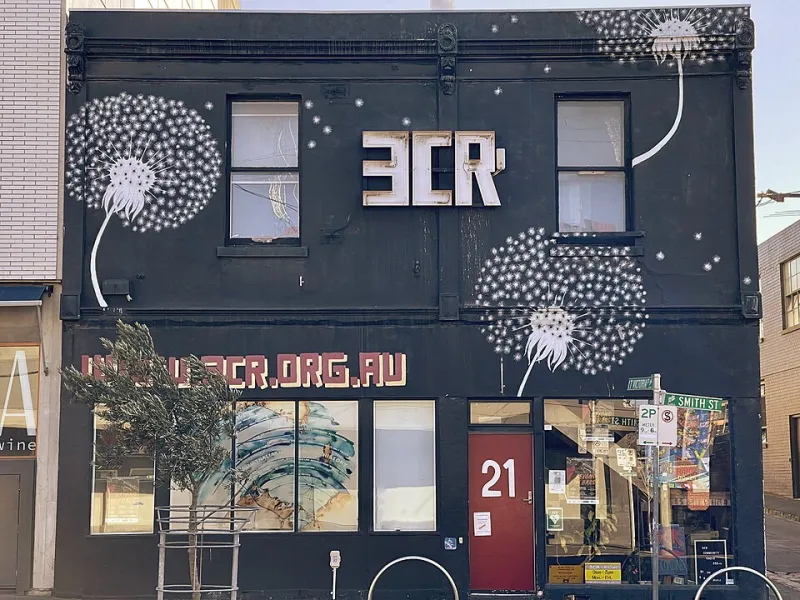
Photo: Canley, CC BY-SA 4.0, via Wikimedia Commons
Every community station has a name that doubles as a load-bearing wall. It's the founder who signed the first lease, charmed the first underwriter, and once did a four-hour shift with a fever because nobody else knew how to run the board. That person is usually the reason the station exists. They are also the reason the station has no plan for the day they leave.
That day is coming. In 2026, a wave of independent radio founders — many of them volunteers who started stations in the 1980s, 1990s, or early 2000s — are staring at retirement, burnout, or just a well-earned quieter life. The microphone still works. The question is whether the station does when the founder signs off for good.
The founder trap is a governance problem
Call it the founder trap: one person holds the institutional memory, the donor relationships, the tower site contact, the passwords, and the unofficial authority to settle every argument. Boards often exist on paper but defer to the founder in practice. That works until it doesn't. When the founder leaves, volunteers discover that nobody knows how to file the quarterly underwriting reports, and donors discover that their favorite voice is gone.
Succession isn't disloyalty. It's stewardship. A listener-supported station belongs to its community, not to the person who built it. The healthiest founders are the ones who start planning their exit while they still have the energy to hand things off well.
What actually breaks when a founder leaves
The first thing to go is usually not the signal. It's the decision-making. Who approves a new show? Who signs the check for transmitter repairs? Who tells a volunteer that their idea is great but not this semester? If those answers live in one head, the station stalls.
Then comes the money. Longtime donors give to people as much as to programming. If the founder disappears without a transition story, small gifts dry up. Underwriters get nervous. The pledge drive that once felt like a party feels like a chore.
And then comes the culture. Volunteers who stayed because they loved the founder may not stay for a board they have never met. Listeners notice when the Wednesday night jazz show becomes a rotating cast of strangers with no handoff.
A practical 2026 playbook
Start with a written succession plan, even a crude one. It does not need to be a binder from a consulting firm. It needs to answer: who is in charge if the founder is out for a month? For six months? Forever? Name an interim operations lead and a board liaison. Put it in writing and share it with volunteers.
Document the invisible work. Make a list of every account, password, contract, vendor, and recurring task. Use a shared password manager. Record a short video of the founder walking through the traffic log and the underwriting schedule. Boring? Yes. Valuable? Enormously.
Separate the founder's roles. Many founders are simultaneously board chair, program director, chief fundraiser, and chief engineer. No successor can replace that. Break the job into pieces and recruit different people for each piece. A retired teacher might run volunteer coordination. A bookkeeper might own the finances. A gearhead might own the transmitter.
Build a board that actually governs. That means term limits, clear committees, and regular meetings with minutes. It also means having honest conversations about money, conflict of interest, and what happens when a founder's spouse is also the treasurer. The goal is not to push the founder out. It is to make the station bigger than any one person.
Tell the audience early. Listeners hate surprises. A founder can announce a transition a year out, do a farewell show, and help train the next voice. That turns a potential crisis into a community moment. Donors are more likely to give to a station with a plan than to one that looks like it is collapsing.
The handoff is the show
Community radio is built on the idea that regular people can run a station. Succession is the ultimate test of that idea. If the founder is the only person who can keep the lights on, the station was never really community-owned. If the founder can teach others to do the work, the station has a future.
The founder's last shift does not have to be the end of the story. It can be the moment the station proves it was never about one voice. It was about a frequency the whole town could share. That is a legacy worth planning for.