The People Who Keep the Signal Alive: Five Unseen Jobs at Your Local Radio Station

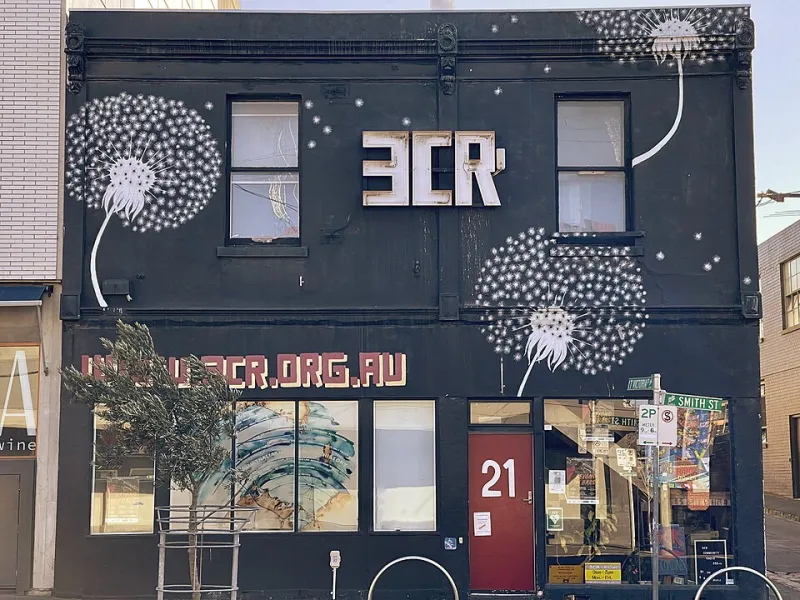
Photo: Nicolas Mollet, Credits : Thierry Milherou, CC BY-SA 3.0, via Wikimedia Commons
Ask a listener who keeps a community station on the air and they will name a DJ. Ask a station manager and they will name five people you have never heard on air. Those five people are the reason the microphone is live, the playlist is legal, the transmitter is cool, and the volunteer schedule is not a disaster.
Community radio loves to celebrate the voice. But the voice does not exist without the org chart nobody sees. Here are five jobs that keep an independent station running, why they matter, and how to fill them without relying on the same exhausted volunteer every single week.
1. The traffic manager
Traffic sounds like a job for a highway department. In radio, it means the person who schedules everything that is not a song: underwriting credits, station IDs, public service announcements, promos, and the legal disclaimers that keep the station out of trouble. A good traffic manager is part air-traffic controller, part proofreader, and part diplomat.
When traffic breaks, listeners notice. The same underwriter credit runs twelve times in an hour. A show starts late because the automation log is wrong. A legal ID gets missed. The traffic manager is the reason none of that happens. Recruit someone who likes puzzles, calendars, and checking boxes. A retired office manager or a detail-oriented student can be a natural fit.
2. The music librarian
The music librarian is the keeper of the deep cuts. They track what has been played, what is coming in, what is going out, and what the station is legally allowed to broadcast. They organize the library so a host can find the right version of a song at 11 p.m. without a meltdown. They also help the station avoid playing the same twenty songs into the ground.
This role is perfect for the listener who loves liner notes and spreadsheets in equal measure. It is also a good entry point for someone who wants to be involved but does not want to be on air. Give them a clear system, a good database, and the authority to say no when someone donates a moldy box of records that has not been sorted since 1998.
3. The transmitter watcher
The transmitter watcher is the station's early warning system. They check the signal, log the readings, notice when the tower is running hot, and call the engineer before a small problem becomes a silent station. This is not a glamorous job. It is often a daily checklist and a willingness to ask questions.
At a small station, the transmitter watcher might be the engineer, the board chair, or a volunteer who lives nearby. The key is to have a backup. Train two people, not one. Write down what normal looks like. Keep the emergency contacts posted. A station that waits until the signal dies to think about the transmitter is a station that will eventually go quiet.
4. The volunteer coordinator
The volunteer coordinator is the station's human resources department, social committee, and referee. They schedule hosts, fill gaps, onboard new people, and mediate the small conflicts that inevitably bloom when a dozen volunteers share one bathroom and one microwave. They also remember that a new volunteer needs a buddy, not just a manual.
This role burns out fast if it is done by the same person who also hosts a show, handles underwriting, and fixes the coffee maker. Give the coordinator a clear scope, a shared calendar, and the authority to say no. Recruit from the volunteer pool, but do not recruit the person who is already doing three jobs.
5. The person who remembers the passwords
Every station has one. They know the login for the automation system, the email account, the social media page, the donor database, the website, the streaming host, and the ancient router that nobody understands. They are the station's institutional memory in human form. They are also a single point of failure.
This job should not be a job. It should be a system. Use a shared password manager. Write down the account recovery process. Give two trusted people access. Document the vendor contacts. The goal is not to make one person indispensable. The goal is to make sure the station does not go dark because one person is on vacation.
Recruit for the work, not the spotlight
Most volunteers want to be on air. That is fine. But the station needs people who want to do the work behind the scenes. Advertise the unseen jobs in plain language. Say what the time commitment is. Say what training is provided. Say what the volunteer will actually do in the first month.
And spread the load. The same five people should not run everything. A healthy station has a bench. It has backups for the backups. It has a culture where asking for help is normal and burnout is not a badge of honor.
The voice on the air gets the applause. The people who keep the signal alive get the station. Both matter. A community station that invests in the unpaid org chart is a station that will still be broadcasting when the microphone is handed to the next volunteer.